🌿 Serving Goat Farmers Since 2017

About Arson Bayou

We believe every aspiring farmer deserves clear, practical guidance to build a successful goat operation. Our mission is to make that knowledge freely accessible and easy to follow.

Our Story

How Arson Bayou Started 📖

Arson Bayou began in 2017 when our founder, a first-generation farmer in rural Louisiana, struggled to find straightforward, beginner-friendly resources about goat farming. Most available information was scattered across outdated textbooks, dense veterinary manuals, or contradictory forum posts that left more questions than answers. The experience of piecing together a functional goat management plan from fragments of unreliable advice was frustrating and unnecessarily expensive.

After three years of hands-on learning, attending agricultural extension courses, working alongside experienced goat breeders, and consulting with large-animal veterinarians, the accumulated knowledge was organized into a structured curriculum. The goal was simple: create the resource that would have saved those difficult early years of trial and error.

Since launching, our guides have been used by thousands of beginning farmers across the United States. We remain committed to updating our content with current best practices, responding to reader questions, and building tools that take the guesswork out of farm planning. Every article we publish is reviewed for accuracy by agricultural professionals before it goes live on the site.
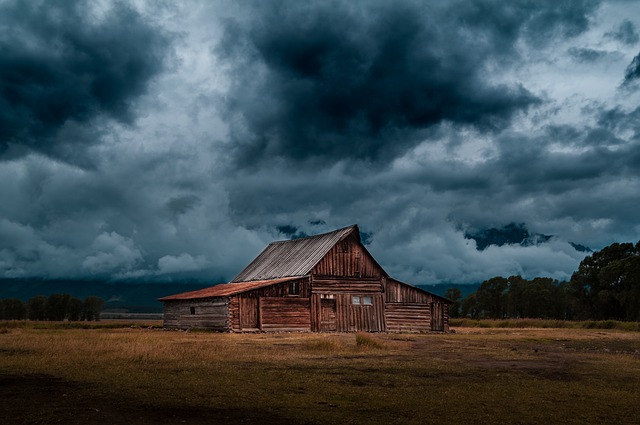
small goat farm with green pastures and rustic wooden barn at sunrise
What Drives Us

Our Mission & Values 🎯

Everything we create is guided by these core principles that reflect how we believe farming education should work.

Education First

We prioritize clear, actionable education over everything else. Our guides are written in plain language with step-by-step instructions that any beginner can follow. We avoid jargon unless we define it, and we structure content in a logical sequence so each topic builds on the previous one. Farming should not require a degree to get started successfully.

Sustainability Minded

Sustainable farming practices protect both your land and your livelihood. We advocate for rotational grazing, composting goat manure, integrated pest management, and selecting hardy breeds adapted to your local conditions. A farm that works with nature rather than against it produces better results over the long term and requires fewer costly interventions.

Animal Welfare

Healthy, well-treated animals are more productive and create better products. We promote the Five Freedoms of Animal Welfare in every guide we write: freedom from hunger, discomfort, pain, fear, and the ability to express natural behaviors. Responsible goat management is not just ethical, it also makes strong economic sense for your farm.

Accuracy & Honesty

We never publish information we cannot verify. Every guide on Arson Bayou is reviewed by agricultural professionals, including veterinarians, extension agents, and experienced breeders. When we do not have expertise on a specific topic, we say so and direct readers to qualified professionals rather than guessing. Trust is earned through transparency.

Community Focused

Farming can feel isolating, especially for beginners who may not have a network of experienced neighbors to lean on. We build connections through our monthly newsletter, reader Q&A features, and by sharing real stories from farmers who started with our guides. Knowing that others face the same challenges and overcome them makes the learning process less daunting.

Practical Tools

Reading about goat farming is only half the equation. We build free calculators, downloadable checklists, and planning templates so you can put knowledge into action immediately. Our herd size calculator and feed cost estimator help you budget before spending a single dollar, reducing the financial risk that stops many potential farmers from getting started.

Our Team

The People Behind the Guides 👥

Our small team combines hands-on farming experience with agricultural education backgrounds to create content you can trust and apply immediately.

portrait of rural farm founder with goats in pasture background

Rachel Thibodaux

Founder & Head Writer

Rachel started her first goat herd with four Nubian does on a 3-acre plot in Terrebonne Parish, Louisiana. She holds a certificate in Small Ruminant Management from Louisiana State University Agricultural Center and has raised dairy and meat goats for over nine years. Her writing focuses on making complex husbandry topics understandable for absolute beginners.

veterinarian portrait in clinical setting with farm animal care equipment

Dr. Marcus Whelan, DVM

Veterinary Advisor

Dr. Whelan is a large-animal veterinarian practicing in upstate New York with 14 years of experience treating goats, sheep, and cattle. He reviews all health-related content on the site for medical accuracy, contributes to our disease prevention guides, and ensures our vaccination and deworming recommendations reflect current veterinary science.

agricultural extension specialist with clipboard on farm visit

James Okafor

Content Editor & Nutrition Specialist

James holds a B.S. in Animal Science from North Carolina A&T State University and worked as a county agricultural extension agent for five years before joining Arson Bayou. He specializes in goat nutrition, feed formulation, and pasture management. James edits all articles for clarity and ensures feeding recommendations are backed by research data.

What We Offer

Resources Built for Beginners 🛠️

Every resource on Arson Bayou is designed with the first-time farmer in mind. Here is what you will find across the site.

Step-by-Step Guides

Our guides cover breed selection, housing design, feeding programs, health monitoring, kidding assistance, milking procedures, meat processing basics, and waste management. Each guide follows a consistent format: overview of the topic, detailed instructions, a practical checklist, and troubleshooting tips for common issues. Content is organized in a progressive learning path so you can start from the beginning and work through each section at your own pace.

Free Planning Calculators

Our herd size calculator estimates how many goats your land can support based on acreage, purpose, and supplemental feeding plans. The feed cost estimator projects daily, monthly, and yearly expenses for hay, grain, and minerals. These tools help you build a realistic budget before purchasing animals, reducing the risk of underestimating ongoing costs that catch many beginners off guard during their first year.

Downloadable Checklists

Print our free beginner goat farming checklist to track your startup progress week by week. The checklist covers essential supplies, pre-purchase preparation, first-week tasks, and a 30-day management timeline. Having a physical checklist on the barn wall keeps you organized and ensures nothing slips through the cracks during those hectic first weeks with new animals.

Monthly Seasonal Newsletter

Subscribe to receive one email per month with timely seasonal advice. Spring issues cover kidding preparation and pasture renovation. Summer newsletters address heat management and parasite control. Fall editions focus on breeding season and hay stockpiling. Winter issues help with cold-weather shelter management and nutrition adjustments. Each newsletter also includes a reader question and our team's response.

Our Process

How Our Content Is Created ✍️

Transparency in how we develop our guides helps you understand why you can rely on the information we provide.

1

Topic Research

Each guide begins with research from peer-reviewed agricultural publications, university extension resources, and established goat breed association guidelines. We cross-reference multiple sources to ensure accuracy and identify where expert opinions differ. We also review the most common questions beginners ask in farming communities to make sure we address real concerns rather than theoretical ones.

2

Drafting & Practical Testing

Rachel writes the initial draft using her own farming experience as a foundation. Wherever possible, procedures described in our guides have been personally tested on our farm. Feeding ratios, milking schedules, housing dimensions, and health protocols all reflect real-world application, not just textbook theory. If we have not done it ourselves, we consult with someone who has before publishing.

3

Expert Review

Dr. Whelan reviews all health and veterinary content. James reviews all nutrition and feeding content. Both editors check for factual accuracy, outdated practices, and regional applicability. If a recommendation only applies to certain climates or regions, we note that clearly. The review process typically takes two to three weeks per guide to ensure thoroughness.

4

Publication & Ongoing Updates

After passing review, guides are published with a "last updated" date so readers know the content is current. We revisit each guide annually to incorporate new veterinary recommendations, updated product availability, and feedback from readers who tried following our instructions. If a reader identifies an error or an area where clarity could be improved, we update the guide promptly.

Arson Bayou by the Numbers

A snapshot of our reach and the community we serve.

9+

Years of Goat Farming Experience

25+

Detailed Guide Articles

4.8k

Newsletter Subscribers

48

States With Readers

Get in Touch

Contact Us 📬

Have a question about goat farming, a suggestion for a new guide topic, or feedback about our existing content? We genuinely enjoy hearing from our readers. Send us a message using the form, or reach out directly through the contact details below. We aim to respond within two business days.

Mailing Address

350 Fifth Avenue, New York, NY 10118

Phone

+1 (212) 547-8320

Response Time

Monday through Friday, typically within 1-2 business days

Send Us a Message

By submitting, you agree to our Privacy Policy.

Ready to Begin Your Goat Farming Journey?

Start with our breed selection guide and work your way through each topic. Every step brings you closer to a productive, sustainable goat operation.