🐐 Step 1 of 5

Goat Breed Selection Guide for Beginners

Choosing the right breed is the single most important decision you will make as a new goat farmer. This guide covers dairy breeds, meat breeds, and dual-purpose options so you can match your goals, climate, and management capacity to the perfect foundation herd.

Before You Buy

Key Selection Criteria to Consider 🔍

Every breed has strengths and limitations. Evaluate these factors carefully before committing to a breed, as switching later means selling existing stock and starting over.

Primary Purpose

Decide whether you want to produce milk, raise goats for meat, or pursue both. Dairy breeds like Saanen and Alpine are bred to sustain high milk volume over a 10-month lactation cycle. Meat breeds like Boer prioritize rapid muscle growth and heavy carcass weight. Dual-purpose breeds like Nubian or Kinder offer moderate milk output alongside acceptable meat conformation, giving you more flexibility if market conditions shift or your family needs change over time.

Climate Tolerance

Not all breeds handle every climate equally well. Swiss breeds such as Alpine and Oberhasli evolved in cool mountainous regions and may struggle with extreme heat and humidity. Nubian goats, with their long pendulous ears and origins in North Africa, tolerate hot and arid climates far better. Boer goats from South Africa adapt to a wide range of conditions but can develop hoof problems in persistently wet terrain. Research which breeds perform well in your specific region before purchasing.

Temperament & Handling

For first-time goat owners, temperament matters more than many people realize. Dairy breeds that are milked twice daily tend to be calm and people-friendly because human contact is built into their routine. Nubians are famously vocal and affectionate. Alpines can be independent and occasionally stubborn. Boer goats are generally docile but less accustomed to close handling unless raised with frequent human interaction from birth. Consider your comfort level and family members who will interact with the herd.

Feed Efficiency

Larger breeds consume more feed per day, which directly impacts your operating costs. A full-size Saanen doe weighing 150 pounds requires more hay and grain than a Nigerian Dwarf at 60 pounds. However, feed efficiency is measured by what you get back: a Saanen producing a gallon of milk daily may actually cost less per gallon than a smaller breed producing a quart. For meat production, evaluate feed-to-gain conversion ratios. Boer goats are considered highly efficient converters of feed to muscle.

Market Access

Consider what buyers near you actually want. If your local farmers market already has three goat cheese vendors, entering with yet another dairy operation might be tough. Meanwhile, demand for goat meat (chevon) continues to grow across the United States, especially in areas with large immigrant communities who prefer goat to other proteins. Research local demand, existing competition, and pricing before you settle on a breed focused purely on one product category.

Veterinary & Breeder Support

Choose a breed that has an established breeder community in your area. Popular breeds mean you can find experienced mentors, purchase quality breeding stock without shipping animals across the country, and locate veterinarians familiar with breed-specific health concerns. Rare or exotic breeds may be appealing but can leave you without local resources when problems arise. Joining a breed association gives you access to registries, shows, and educational events.

Dairy Breeds

Top Dairy Goat Breeds for Beginners 🥛

These breeds have been selected and refined over generations for milk production. Each offers distinct advantages in volume, butterfat content, and management ease.
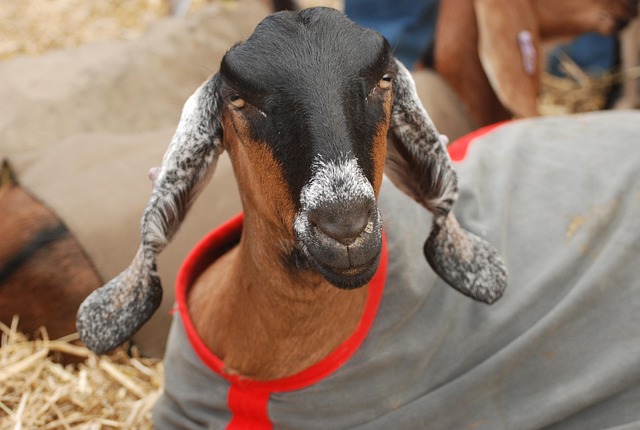
Nubian dairy goat with long floppy ears and Roman nose standing in pasture

Nubian

Dairy Dual-Purpose

The Nubian is one of the most popular goat breeds in the United States, recognizable by its long, pendulous ears and convex "Roman" nose profile. Originating from crosses between British and African goats, Nubians thrive in warm climates and produce milk with the highest butterfat content among standard dairy breeds, typically between 4.5% and 5%. This rich milk is ideal for cheese making and soap production. Nubians also have decent body size for meat production, making them a true dual-purpose option for small farms.

Nubians are known for being vocal, calling out frequently for attention, food, or just company. New owners should be prepared for this trait, especially if neighbors live nearby. They are affectionate, bond closely with their handlers, and make excellent family farm animals. Average daily milk production ranges from half a gallon to a gallon per doe, depending on genetics and feeding program. They breed year-round rather than seasonally, giving you more flexibility in kidding schedules.

4.5-5%

Butterfat

0.5-1 gal

Daily Milk

130-175 lb

Adult Weight

Hot

Best Climate
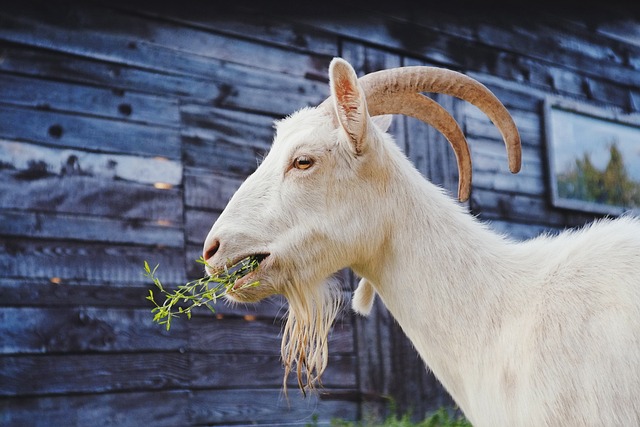
white Saanen dairy goat standing in green meadow with clean barn behind

Saanen

Dairy

The Saanen is the Holstein of the goat world, producing more milk by volume than any other dairy goat breed. Originating from the Saanen Valley in Switzerland, these large, white goats have earned their reputation as the top choice for commercial dairy operations. A well-managed Saanen doe can produce 1 to 1.5 gallons of milk per day during peak lactation, making them extremely productive for farms focused on fluid milk sales or large-scale cheese production.

Saanens have a calm, easygoing temperament that makes them straightforward to handle during milking. Their white coat and pink skin do mean they are sensitive to direct sun exposure and can develop sunburn in hot southern climates, so adequate shade is essential. Butterfat content runs lower than Nubians at around 3 to 3.5%, which means less rich cheese per gallon but significantly more volume overall. Saanens are seasonal breeders, typically cycling from August through January in the Northern Hemisphere, so plan your breeding and kidding seasons accordingly.

3-3.5%

Butterfat

1-1.5 gal

Daily Milk

135-185 lb

Adult Weight

Cool

Best Climate
French Alpine dairy goat with brown and black coat markings grazing on hillside

Alpine

Dairy

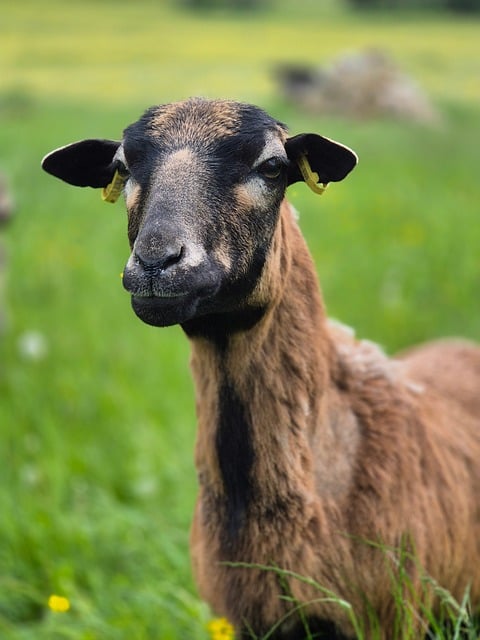
The French Alpine is a reliable, hardy dairy breed known for consistent milk production and adaptable temperament. Alpines come in a wide variety of color patterns, from solid chamois to two-toned sundgau (black with white markings). They are medium to large in size, athletic, and excellent foragers that do well on rough terrain. Their Swiss mountain heritage makes them naturally suited to cooler climates with varied topography, though they adapt reasonably well to moderate heat if provided with shade and water access.

Alpines produce roughly 0.75 to 1.25 gallons of milk daily, with butterfat around 3.5%. They tend to be independent and curious, sometimes described as headstrong compared to the more compliant Saanen. For beginners who enjoy active, energetic animals with personality, Alpines can be a rewarding choice. They are seasonal breeders and prolific, frequently producing twins. Many small dairy operations blend Alpine and Nubian genetics through crossbreeding to balance volume with butterfat content in a single herd.

3.5%

Butterfat

0.75-1.25 gal

Daily Milk

125-155 lb

Adult Weight

Versatile

Best Climate
small Nigerian Dwarf dairy goat with colorful spotted coat in pen

Nigerian Dwarf

Dairy Small Space

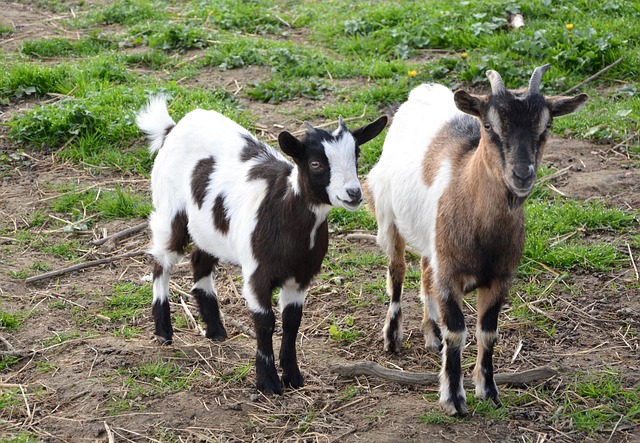
The Nigerian Dwarf is a miniature dairy breed that has exploded in popularity among homesteaders and backyard farmers. Standing just 17 to 21 inches at the shoulder, these compact goats require significantly less space, feed, and fencing than standard breeds. Despite their small size, Nigerian Dwarfs produce milk with exceptionally high butterfat content, often reaching 6 to 10%, which makes their milk prized for rich, creamy cheese, yogurt, and soap. A good Nigerian Dwarf doe can produce 1 to 2 quarts daily.

Their small stature makes Nigerian Dwarfs easy for children and elderly farmers to handle safely. They come in virtually every color and pattern combination, adding visual variety to the herd. Like Nubians, they breed year-round rather than seasonally. The main trade-off is volume: if you need large quantities of milk for a commercial dairy operation, you would need many more Nigerian Dwarfs than standard-size does. They are ideal for families who want fresh milk for household use, small-batch artisan products, or a manageable introduction to goat keeping.

6-10%

Butterfat

1-2 qt

Daily Milk

60-80 lb

Adult Weight

All

Best Climate
Meat Breeds

Top Meat Goat Breeds for Beginners 🥩

Meat breeds are selected for fast growth, muscular conformation, and efficient feed conversion. These breeds form the backbone of the commercial goat meat industry.

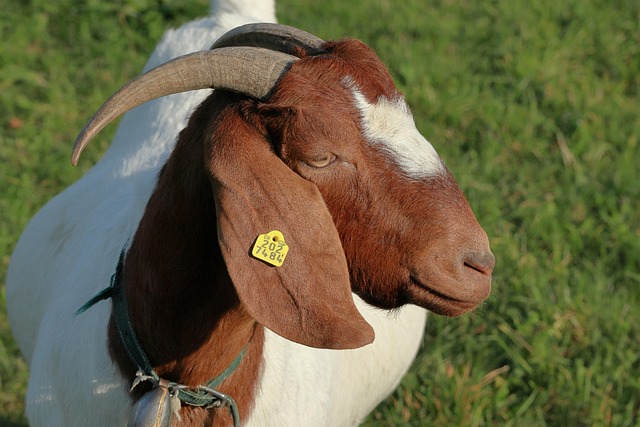
large Boer meat goat with white body and red brown head standing in field

Boer

Meat

The Boer goat is the gold standard of meat goat breeds worldwide. Developed in South Africa during the early 1900s, Boers were specifically selected for rapid weight gain, muscular build, and high carcass yield. A mature Boer buck can weigh 250 to 300 pounds, with does reaching 200 to 225 pounds. Their distinctive white body with a red-brown head makes them instantly recognizable. Boer kids grow quickly, often reaching market weight of 60 to 80 pounds by 3 to 4 months of age under good nutrition.

Boers have a docile temperament and adapt to a wide range of climates, from the hot, dry South African veldt to the humid southeastern United States. They are good mothers, frequently producing twins and occasionally triplets, with strong maternal instincts that reduce kid mortality. Boer goats also serve as the primary sire breed for crossbreeding programs, where Boer bucks are bred to dairy or mixed-breed does to produce fast-growing market kids. The primary health consideration for Boers is their sensitivity to internal parasites, particularly the barber pole worm (Haemonchus contortus), which requires diligent rotational grazing and fecal monitoring.

60-80 lb

Market Weight

3-4 mo

To Market

200-300 lb

Adult Weight

Wide

Climate Range

white Kiko meat goat breed from New Zealand browsing on rough terrain

Kiko

Meat

The Kiko breed was developed in New Zealand during the 1980s by crossing feral goats with dairy breeds, then selecting aggressively for survivability, parasite resistance, and growth rate under minimal management. The result is one of the hardiest meat goat breeds available. Kikos are gaining significant ground in the United States, particularly in the Southeast where parasite pressure is intense and many Boer goats struggle without frequent deworming interventions.

Kiko does are excellent mothers that require minimal kidding assistance and produce plenty of milk to raise twins to market weight on pasture alone. Bucks are muscular and aggressive breeders. The breed is predominantly white, though colored Kikos exist. For the hands-off farmer who wants a low-input, low-management meat goat enterprise, Kikos present a compelling option. They browse effectively, maintain body condition on rough forage, and resist foot rot better than many other breeds. The trade-off is that purebred Kiko breeding stock can be harder to find and more expensive than Boers in some regions.

50-70 lb

Market Weight

4-5 mo

To Market

150-250 lb

Adult Weight

High

Parasite Resist.

Spanish meat goat with varied brown and black coloring browsing brush

Spanish

Meat Heritage

Spanish goats, also called brush goats or scrub goats, descend from animals brought to North America by Spanish explorers centuries ago. Through generations of natural selection in the rugged terrain of Texas and the American Southwest, they developed remarkable hardiness, foraging ability, and disease resistance. While smaller and slower-growing than Boer goats, Spanish goats offer extremely low input costs because they thrive on browse that other breeds would ignore and rarely require deworming or hoof trimming.

Spanish goats are increasingly valued in conservation breeding programs because their genetic diversity is shrinking as crossbreeding with Boers becomes common. Purebred Spanish does crossed with Boer bucks produce fast-growing, hardy kids that combine the best of both breeds. For beginners in areas with plentiful brush and challenging terrain, Spanish goats can be an ideal starting point. They kid easily, produce enough milk for their young without supplementation, and convert low-quality forage into lean, flavorful meat. Their market weight is typically 50 to 65 pounds at 4 to 6 months.

50-65 lb

Market Weight

4-6 mo

To Market

100-175 lb

Adult Weight

Very Low

Input Costs

Quick Reference

Side-by-Side Breed Comparison 📊

Use this table to quickly compare the breeds discussed above. Scroll horizontally on mobile devices to see all columns.

Breed Type Adult Wt (lbs) Daily Milk Butterfat Climate Temperament Beginner Rating
Nubian Dairy/Dual 130-175 0.5-1 gal 4.5-5% Hot/Warm Vocal, Friendly ★★★★★
Saanen Dairy 135-185 1-1.5 gal 3-3.5% Cool/Moderate Calm, Gentle ★★★★☆
Alpine Dairy 125-155 0.75-1.25 gal 3.5% Versatile Independent ★★★★☆
Nigerian Dwarf Dairy 60-80 1-2 qt 6-10% All Climates Playful, Easy ★★★★★
Boer Meat 200-300 N/A N/A Wide Range Docile ★★★★★
Kiko Meat 150-250 N/A N/A Humid/Hot Hardy, Alert ★★★★☆
Spanish Meat 100-175 N/A N/A Hot/Dry Self-sufficient ★★★★☆
Practical Tool

Breed Selection Checklist ✅

Work through each of these questions before purchasing your first goats. Being honest about your situation now prevents expensive mistakes later. Print this list or check off items directly on screen. Your progress is saved automatically.

Where to Find Quality Breeding Stock

  • Attend local goat shows and talk to exhibitors
  • Contact breed associations for breeder directories
  • Visit farms and inspect herd health records in person
  • Request CAE and CL testing results before buying
  • Join online forums and local goat-keeping groups

Your Pre-Purchase Evaluation

Your selections are saved in your browser. Come back anytime to review.

Advanced Strategy

Crossbreeding for Better Results 🧬

Many successful small farms use crossbreeding to combine the strengths of different breeds. Here are three proven crosses that beginners can use effectively.

Meat Focus

Boer x Spanish

crossbred Boer Spanish meat goat kid growing on pasture

Breeding a Boer buck to Spanish does combines the fast growth and heavy muscling of the Boer with the parasite resistance, foraging ability, and low-maintenance mothering instincts of Spanish does. The resulting kids grow faster than purebred Spanish while requiring less veterinary intervention than purebred Boer kids. This is the most common commercial meat goat cross in the southern United States. First-generation crosses typically reach market weight 2 to 3 weeks sooner than purebred Spanish kids while maintaining the hardiness that keeps input costs low.

Dairy Focus

Nubian x Alpine

crossbred dairy goat Nubian Alpine doe being milked on stand

Crossing a Nubian buck with Alpine does produces offspring that inherit the high butterfat percentage of the Nubian side with the volume and consistency of the Alpine side. These crossbred does often produce 0.75 to 1 gallon daily with butterfat between 3.8% and 4.2%, creating versatile milk that works well for both fluid consumption and cheese making. The cross also tends to moderate the Alpine's independent streak with the Nubian's people-oriented personality, resulting in pleasant animals to handle on the milking stand. Many artisan cheesemakers deliberately maintain crossbred herds for this balanced milk composition.

Dual Purpose

Boer x Nubian

dual purpose crossbred Boer Nubian goat with strong body and long ears

For the farmer who genuinely wants both milk and meat from the same herd, crossing a Boer buck with Nubian does creates a compelling dual-purpose animal. The does from this cross produce enough milk (roughly half a gallon daily) to support a family's dairy needs while their wether kids carry enough Boer genetics to reach respectable market weight. This cross works particularly well on farms where the primary income comes from meat sales but the family also wants home-produced milk, yogurt, and cheese. Buck kids can be raised to market weight efficiently, while selected doe kids can be retained to grow the milking herd.

Avoid These Pitfalls

5 Common Breed Selection Mistakes ⚠️

1. Buying Based on Appearance Alone

A beautiful goat that does not match your production goals will cost you money every day it eats feed without generating returns. Always prioritize function over form. Ask for production records, test results, and lineage documentation before committing to a purchase. Color and markings are enjoyable but should never be the primary selection criterion for a working farm animal.

2. Starting with Too Many Animals

New farmers often get excited and purchase more goats than they can manage. Start with 3 to 5 does and learn the daily routines, feeding calculations, and health monitoring procedures before scaling up. Mistakes are cheaper with a smaller herd, and you can always add animals once you are confident in your management systems.

3. Skipping Disease Testing

Caprine Arthritis Encephalitis (CAE), Caseous Lymphadenitis (CL), and Johne's disease are chronic conditions that can devastate a herd once introduced. Always require negative test results from the seller and quarantine new arrivals for at least 30 days. The cost of testing is trivial compared to the cost of treating or losing your entire herd to a preventable disease.

4. Choosing the Wrong Breed for Your Climate

A Saanen in the deep South will struggle with sunburn and heat stress. Boer goats in wet Pacific Northwest conditions may develop chronic hoof problems. Match the breed to your environment and save yourself ongoing management headaches and veterinary bills. Talk to successful goat farmers in your county for the most relevant breed recommendations.

5. Neglecting Buck Selection

The buck contributes half the genetics to every kid in your herd. Cutting corners on buck quality undermines your entire breeding program. Invest in a well-pedigreed buck from proven production lines, or use artificial insemination to access top genetics without the expense of housing a buck year-round. A mediocre buck paired with excellent does will produce mediocre offspring.

Ready for Step 2?

Now that you know which breed fits your goals and climate, the next step is preparing proper housing and fencing before your goats arrive. A safe, well-designed shelter prevents health problems and keeps your herd contained.